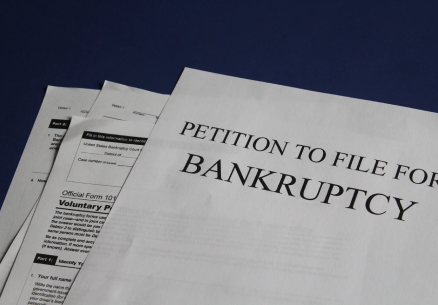
Most business owners who end up in bankruptcy court didn’t fail suddenly. A comprehensive study of over 4,200 companies that filed between 2023 and 2025 found that measurable warning signs appeared 12 to 24 months before the actual filing in nearly every case. The data doesn’t lie. Businesses just weren’t listening.
Recognizing distress early is the difference between restructuring and liquidation – between keeping your business alive and losing it entirely. Milwaukee bankruptcy attorneys at Kerkman & Dunn work with Wisconsin business owners in both early distress and those already in crisis. The earlier the conversation, the more options there are.
Chronic Cash Flow Problems That Don’t Resolve Themselves
Cash flow is not the same as profit. A business can show positive net income on paper and still run out of money. When cash coming in is not enough to cover payroll, rent, loan payments, or supplier invoices on a consistent basis – not once, not twice, but month after month – that’s a structural problem, not a timing issue.
Chronic cash flow shortfalls are typically the first and most significant indicator of insolvency risk. Businesses that paper over these gaps with short-term credit or delayed vendor payments often find themselves in a compounding cycle that becomes harder to escape the longer it continues.
Mounting Debt With No Realistic Repayment Path
Taking on debt to fund operations is not automatically a warning sign. However, taking on high-interest, short-term debt to cover everyday expenses – payroll, utilities, and inventory – is. This pattern signals that the revenue is insufficient to support the basic cost structure of the business.
Under 11 U.S.C. § 101 of the Bankruptcy Code, a debtor is considered insolvent if the sum of their debts exceeds the fair market value of all their assets. Courts and business owners should use this definition as well.
Creditors Are Escalating – Lawsuits, Liens, or Collection Threats
When a single creditor files a lawsuit, that is a problem. However, when multiple creditors file claims, threaten garnishment or move to place liens on business assets simultaneously, the situation shifts from a cash crunch to a legal emergency.
Once a judgment is entered, a creditor can pursue Wisconsin wage garnishment under Wis. Stat. § 816 or attach business bank accounts. Filing for bankruptcy protection under Chapter 11 or Chapter 7 triggers an automatic stay under 11 U.S.C. § 362, which immediately halts all collection activity, lawsuits, and enforcement actions. That breathing room is often what allows a business to reorganize rather than collapse.
Vendor Relationships Are Breaking Down
Suppliers and vendors often sense trouble before owners admit it. When a business starts paying invoices late, vendors respond by tightening credit terms, requiring prepayment, reducing order limits or cutting off supply altogether. This deterioration in vendor relationships is one of the clearest operational signs of financial distress, according to commercial credit monitoring analysts.
If your suppliers are asking for cash upfront where they didn’t previously, or if you are managing vendor relationships based on who is most threatening rather than who is essential, then that is not a negotiation issue. It is a solvency indicator.
What Options Actually Exist Before a Crisis Hits
Bankruptcy is not always the solution, but it can be a useful tool for businesses in Wisconsin. It is the right option for many businesses if used at the appropriate time. There are several main options that are worth considering:

- Chapter 11 reorganization allows a business to restructure its debts and continue operating. It is designed for businesses that have a viable future if the debt load can be restructured. Subchapter V of Chapter 11 offers a streamlined, lower-cost path specifically for small businesses – and filings under it surged 68% in January 2026 alone compared to the prior year.
- Chapter 7 liquidation is appropriate when a business has no realistic path to profitability. Assets are sold, debts are discharged to the extent possible, and the entity is wound down. This is not a failure – it’s an orderly exit that protects owners from personal liability in many circumstances.
- Out-of-court restructuring is often the fastest and least expensive route when creditors are willing to negotiate. Lenders increasingly prefer restructuring agreements over protracted court proceedings.
- Assignment for the benefit of creditors (ABC) is a Wisconsin option that allows an insolvent business to liquidate assets through a private process, entirely outside of federal court, under Wis. Stat. Chapter 128.
Speak With a Milwaukee Bankruptcy Attorney Before the Window Closes
Kerkman & Dunn’s bankruptcy attorneys work with Wisconsin businesses at every stage of financial distress – from early restructuring conversations to Chapter 11 reorganization and Chapter 7 proceedings. Our goal is to help you identify realistic options while they still exist, not after every path has narrowed. If your business is showing any of these signs, the right time to get legal counsel is now. Schedule a consultation today.