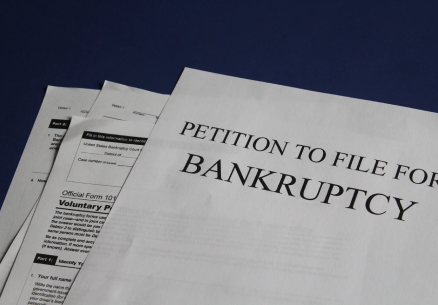
Financial difficulties can affect any business, regardless of its size or industry. A bankruptcy filing doesn’t have to be the end, however. With the right legal strategy, many businesses can emerge from bankruptcy stronger and better positioned for long-term success. Understanding the process and what happens next is the first step towards genuine recovery.
What the Bankruptcy Code Actually Allows
The United States Bankruptcy Code provides several options for businesses in financial difficulty. Two of the most relevant options for companies seeking to restructure and continue operating are:
- Chapter 11 Reorganization – allows a business to restructure its debts and continue operating, while repaying creditors over time, under a court-approved plan.
- Subchapter V of Chapter 11 – a streamlined and lower-cost option for small businesses with debt below the current threshold, which has been adjusted in recent years to make it more accessible.
Chapter 7 bankruptcy, on the other hand, typically leads to the closure of a business and the sale of its assets in order to pay off creditors. After Chapter 7, it is rare for a company to recover, although its owners may reorganize under a new structure.
The Chapter 11 Reorganization Process
Chapter 11 is a primary tool for business recovery. When a company files for bankruptcy, it becomes a “debtor in possession” – meaning it retains control over its assets and can continue daily operations while going through the restructuring process. The “automatic stay” takes effect immediately after filing, stopping most collection actions, foreclosures, and legal proceedings against the company.
The reorganization process typically involves the following key stages:
- Filing a petition and preparing a list of assets, liabilities, and creditors’ claims.
- Negotiating with both secured and unsecured creditors to find a workable repayment plan.
- Drafting and submitting a plan of reorganization that outlines how debts will be restructured and repaid.
- Obtaining creditor approval for the plan and court approval for its implementation.
- Implementing the plan and exiting bankruptcy protection.
What Makes a Recovery Successful?
Several factors consistently distinguish businesses that successfully emerge from bankruptcy from those that do not.
- Early intervention is crucial. Businesses that consult with bankruptcy counsel before creditor pressure becomes unmanageable have far more restructuring options available. They can explore different solutions to their financial difficulties and present a more viable plan to the court.
- A viable core operation is essential. Courts and creditors are more likely to support a reorganization plan if the business has a product, service, or client base that can generate revenue after emerging from bankruptcy. This shows that the company has a sustainable business model and can continue operating after the restructuring process.
- Cooperation with creditors is also important. Negotiating with creditors both before and during the bankruptcy process, instead of litigating every dispute, can reduce costs and accelerate the confirmation of a reorganization plan. It allows for a more collaborative approach and a better understanding of each party’s interests.
- Finally, clear post-emergence financial projections are crucial. The plan of reorganization must demonstrate feasibility, meaning that the court must be convinced that the business can actually meet its obligations going forward. This requires detailed financial analysis and projections that show how the company will generate revenue and pay off its debts.
Recent Developments Affecting Business Bankruptcy in 2026

Businesses considering reorganization in 2026 should be aware of several important developments. The Small Business Reorganization Act and its subsequent amendments have made it easier for small businesses to access Subchapter V, providing a faster and less expensive path to reorganization. Additionally, courts are increasingly scrutinizing third-party releases in reorganization plans, which can affect the overall strategy of a company’s exit.
Wisconsin businesses should also be aware that state exemptions and local court practices in the Eastern District of Wisconsin play a significant role in determining available options. It is essential to work with experienced local counsel to effectively navigate these complexities.
Talk to a Milwaukee Bankruptcy Attorney
Recovery after bankruptcy is possible, but it requires careful planning, expert legal advice, and a realistic evaluation of the company’s future prospects. At Kerkman & Dunn, our experienced bankruptcy attorneys in Milwaukee bring decades of litigation and restructuring expertise to each client case. We develop customized strategies that are cost-effective and aligned with your business goals, whether that involves guiding a reorganization through the court process or resolving creditors’ disputes through negotiation and mediation.
Contact Kerkman & Dunn to get a frank assessment of your situation and discuss a clear path forward.