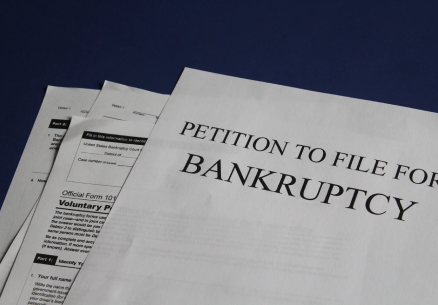
Your company’s Chapter 11 filing does not stop the bank from suing you for the guarantee you signed. The automatic stay protects the debtor who filed, but it does not protect your interest in marital property or the building pledged as collateral. Most owners learn this after receiving a demand letter.
The Automatic Stay Stops at the Company’s Door
Section 362 of the Bankruptcy Code stops collection actions against a debtor’s property. Read the text of 11 U.S.C. § 362 closely and you will notice that guarantors, co-signers, officers and affiliated non-filing entities are missing from it.
There is a narrow exception: bankruptcy courts sometimes extend injunctive protection to non-debtor principals under Section 105(a), usually where a lawsuit against the owner would drain the estate or make reorganization impossible. This is temporary relief, and it is not granted casually. Since 2024, courts have grown more cautious about granting this type of relief.
A Corporate Discharge Does Not Erase Your Guarantee
This is the point that surprises people the most. Under Section 524(e), a discharge operates only for the benefit of the debtor and does not affect the liability of any other entity for that debt. The full provision is at 11 U.S.C. § 524.
So, the reorganized company may exit Chapter 11 with restructured or discharged obligations, while your personal exposure to the underlying loan survives intact. The lender simply shifts from the corporate borrower to the guarantor.
What the lender cannot do is to collect twice. The payments the creditor receives under the confirmed plan reduce the debt, and your guaranteed liability shrinks accordingly. This is often the practical benefit for a guarantor in this case: the number becomes smaller, even though the obligation does not disappear.
Wisconsin’s Marital Property Act Widens the Exposure
Wisconsin is a matrimonial property state, and this changes the analysis in a way that owners in neighboring states do not face. Under Wis. Stat. § 766.55, obligations incurred by a spouse during marriage are presumed to have been incurred in the interests of the marriage or family, and these obligations may be satisfied from all matrimonial assets plus all other assets owned by the incurring spouse.
Lenders know this. Many require a signed marriage certificate at closing, which makes the assumption conclusive. If you sign one, your spouse’s half of the marriage estate is accessible even though your spouse has never signed a guarantee.
What Guarantors Can Actually Do
Several strategies are still available, and the best one depends on the amount of exposure and the lender’s position:
- Negotiate a voluntary release as part of the plan, typically in exchange for additional value, contribution, or continued involvement in the restructured business.
- Structure the plan so that the guaranteed debt is repaid over time, extinguishing the guarantee through payment instead of release.
- Seek a temporary Section 105 injunction from the court if the owner’s lawsuit would seriously hinder the reorganization.
- File your own case. Individuals with significant guarantee liabilities may qualify for Chapter 13 bankruptcy or, if most of the debt is related to business, Subchapter V of the code.
- Challenge the guarantee itself on contractual grounds. Defects in execution, lack of spousal consent, or the lender’s failure to protect collateral may all be relevant.

Get a Guarantee Analysis Before You File, Not After
The decision to put a company into Chapter 11 and the decision about how to handle owner’s guarantees is one decision, not two. Sequencing these decisions badly can cost you the protection you could have negotiated for.
The Milwaukee litigation and bankruptcy attorneys at Kerkman & Dunn handle every phase of the reorganization and trial process. We are just as focused on keeping matters out of court through negotiation, mediation, or arbitration, when that serves our clients better. If you need to review your guarantee documents or marital property exposure, contact Kerkman and Dunn before the petition is filed. There is still time to negotiate.