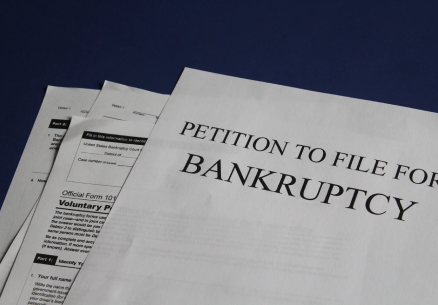
The Senate has already voted on August 3, 2026. It unanimously passed S. 3977, the Bankruptcy Threshold Adjustment Act of 2026, which permanently raises the Subchapter V debt limit to $7.5 million. However, the House has not yet done so. Until the House does, a company in Wisconsin carrying debt above the current much lower inflation-adjusted ceiling will not be able to file under Subchapter V, regardless of how well the process fits its situation.
Where the Bill Stands Right Now
Subchapter V was created by the Small Business Reorganization Act and took effect in February 2020. The pandemic-era legislation lifted the eligibility ceiling to $7.5 million, which increased until June 2024, when eligibility reverted back to the original level subject to annual inflation adjustments.
Two years later, Congress returned to work on the issue. Senators Grassley, Durbin, Cornyn, Whitehouse, Graham and Coons introduced S. 3977 on March 3rd, 2026 and Representative Ben Cline introduced the corresponding House version H.R.7730. The House Judiciary Committee reported on this bill in March 2026.
Why This Threshold Decides So Much
Subchapter V is not just a minor procedural change. It eliminates several features that make Chapter 11 costly for small businesses:
- There is no creditors’ committee, and no separate disclosure statement in the typical case.
- The owner retains their equity, even if the creditors object, as long as all planned income goes towards planned payments.
- Only the debtor can propose a plan, and their right cannot be taken away.
- A trustee is appointed, but the owner continues to control the business. The trustee’s role is to help create a plan that everyone agrees on, rather than take over the company.
Subchapter V cases are confirmed more quickly, more frequently, and at a lower cost than standard Chapter 11 cases. They have roughly twice the confirmation rate and half the dismissal rate of other small business cases.
Eligibility Is Measured on the Day You File
The debt limit is not a target that you can hit later. It is tested against your non-contingent liquidated debts as of the petition date under the definition of a small business debtor under 11 U.S.C. § 1182. At least half of this debt must arise from commercial or business activity, and publicly traded companies are excluded.
That single-day snapshot is why the matter matters so much. The American Bankruptcy Institute estimates that, between June 22, 2024 and March 15, 2026, approximately 1,475 potential Subchapter V debtors would be ineligible to file due to the lower ceiling.
What Wisconsin Owners Should Be Doing Now
Manufacturers, contractors, restaurant groups, and trucking companies in southeastern Wisconsin regularly carry equipment loans, real estate debts, and trade payables that exceed the current cap, but are well under $7.5 million. These businesses have been locked out for two years.
A few things to consider before the House takes action:
- Obtain an accurate and up-to-date list of non-contingent, liquidated debt. This is not an estimate based on your last tax return.
- Distinguish between business and personal obligations, as the 50% commercial debt test depends on this separation.
- Evaluate what a forbearance, workout, or out-of-court restructuring might offer in the interim. Sometimes, it can be beneficial.
- Be aware that the bill increases the Chapter 13 debt limit for aggregate debt and removes separate secured and unsecured limits, which is important if you have personally guaranteed company debt.
If the bill becomes law, eligibility filing opens on the enactment date. Companies that have their financial houses in order will be able to move immediately. Companies still gathering documents will not.

Talk to a Milwaukee Bankruptcy Attorney Before the Window Opens
Kerkman & Dunn have spent years handling reorganizations in bankruptcy, state and federal courts, including appeals. Our attorneys are equally comfortable resolving distressed balances through negotiation, mediation or an informal workout, when court is not the right answer. Our founding partners have built their practices at some of the largest firms in the country, and now regularly litigate against them.
If your company is just above the current threshold, contact Kerkman & Dunn to have your debt structure analyzed now so that you can file the week before the law changes instead of a month later. You won’t get lost in the crowd.