Wisconsin gives businesses six years to sue for most broken contracts. This sounds generous. In practice, the first few weeks after a breach have a far greater impact on the outcome than filing deadlines do, and a few early mistakes can weaken a strong claim.
Start With the Contract Itself
Before you contact a customer, please pull out the signed agreement and review it again. Many business contracts include terms that determine what will happen next. Look out for:
- A “notice-and-cure” provision that requires written notice and an opportunity to resolve the issue before termination.
- A clause on dispute resolution that sends the matter to mediation or arbitration first.
- An “attorney’s fees” provision (in Wisconsin, each party typically pays its own fees, unless the contract or law states otherwise).
- Language about choice of law and venue, which may direct the case to a specific county or even a different state.
- Limits on damages – some contracts quietly limit how much you can recover.
Document Everything Now
Memories fade, and emails get deleted. Gather invoices, purchase orders, delivery confirmations, change orders, text messages, and notes from phone calls. Write a short timeline while the details are fresh. If the customer promised to pay or admitted the problem in writing, keep those messages somewhere safe.
Send a Clear Written Demand
A well-drafted demand letter resolves many disputes on its own. It should identify the contract, describe the breach in plain terms, state what the customer must do to make it right, and set a reasonable deadline. Keep the tone firm and professional. A judge may read it one day.
Protect Your Position While the Dispute Plays Out
Wisconsin law expects you to limit your losses. Under the duty to mitigate, a business cannot let damages pile up and then bill the customer for all of them. If a customer cancels an order, you may need to resell the product or reassign your team.
Sellers of goods have specific tools. Under Wisconsin’s version of the Uniform Commercial Code, a seller whose buyer refuses delivery or fails to pay may withhold or stop delivery, resell the goods and recover damages, or cancel the contract.
Be careful about stopping your own work under a service contract. If the client’s breach is minor, leaving can make you the breaching party.
Consider Resolving It Outside the Courtroom
Not every breach needs a lawsuit. Negotiation and mediation can save a valuable customer relationship and usually take less time than litigation. If your agreement includes an arbitration clause, Wisconsin treats that clause as valid and enforceable under the state’s arbitration statute. It is private, though the grounds for challenging an award are narrow.
Watch the Filing Deadline
Most contract actions in Wisconsin must be filed within six years after the cause of action accrues. In Wisconsin, the clock starts at the breach itself, not when you discover it. Contracts for the sale of goods carry their own six-year period under the UCC, and in some cases that period can be shortened by agreement.
Two things can restart the clock: a partial payment or a signed written acknowledgement of the debt. Track both carefully.
When the Customer Files for Bankruptcy
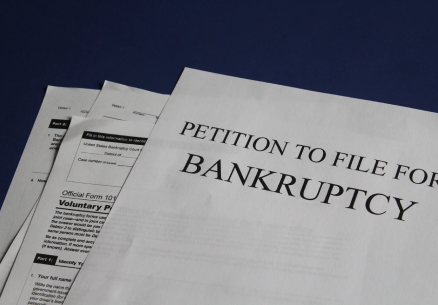
A bankruptcy filing changes everything overnight. The automatic stay halts most collection activity at once, including lawsuits, collection calls, and efforts to enforce a judgment. Ignoring this can expose your business to sanctions. Your path forward usually runs through the bankruptcy court, starting with timely proof of claim. Payments made by customers shortly before filing can also draw the attention of a trustee as potential preference payments.

Talk to a Milwaukee Litigation Attorney Before the Dispute Grows
A customer’s breach puts your revenue, your time, and sometimes your reputation at risk. Kerkman & Dunn represent businesses in Wisconsin state courts, federal courts and bankruptcy court. This is important when a customer who owes you suddenly files for bankruptcy.
We also know when a case belongs outside the courtroom. Whether the right answer is a firm demand, mediation, arbitration, or trial, you will work directly with an attorney who knows your file. You will not get lost in the crowd. Contact Kerkman & Dunn today to review your contract and plan your next move.