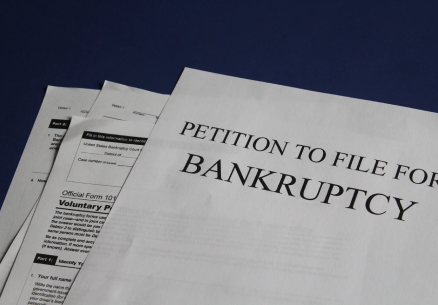
Milwaukee area businesses need to know how to protect their revenue, cash flow, and legal rights when a customer files for bankruptcy. This action can be disruptive if the client involved is a longstanding partner upon whom your business relies.
An experienced business attorney can help you understand your rights and proactive steps you may take to buffer the effects of your client’s bankruptcy. A strategic approach to understanding the legal framework and your rights as a creditor are the basis of responding effectively.
Six Essential Steps to Handling a Client’s Bankruptcy
Don’t write off a relationship with a long-standing customer as a result of their bankruptcy. Chapter 11 allows businesses to restructure and continue operating. Chapter 7, however, is a liquidation bankruptcy that assumes the business is closing.
Here are six essential actions to take when a client files for bankruptcy:
- Understand how bankruptcy changes your legal relationship.
When a customer files for bankruptcy, an automatic stay takes effect. That is an injunction that prevents almost all creditors from collections activities, including garnishing wages, seizing property, or continuing lawsuits.
This means you cannot call or email regarding past due amounts. If you violate the automatic stay you may be subject to legal sanctions.
- Preserve your rights by filing a proof of claim.
Contact the court to get information on the case, including the “bar date” which is a deadline for creditors to file the proof of claim with the bankruptcy court. It documents what the debtor owes you and puts your claim on record (although it is not required in every case). If this step is late or missed, you may not be repaid through the bankruptcy process. Filing a proof of claim does not guarantee repayment.
- Understand the bankruptcy categories of secured vs. unsecured claims.
Bankruptcy code prioritizes secured creditors over unsecured, and within unsecured creditors are the subcategories of priority unsecured and general unsecured claims. Secured claims are those with collateral, such as equipment or machinery that can be repossessed. Most businesses and suppliers fall into the general unsecured creditors category, which is the last to be repaid.
- Save all records related to your business relationship.
Make a file of all invoices, contracts, delivery confirmations, payment histories, correspondence, and service records related to interactions with the company that files for bankruptcy. The documents will bolster your claim and defend against potential clawback actions the bankruptcy trustee may take (the trustee may attempt to recover payments made by the debtor to any creditors within 90 days of the bankruptcy filing).
- Develop strategies for continuing a relationship.
Chapter 11 bankruptcy allows companies to reorganize and continue doing business. Decide if continuing the relationship is a worthwhile risk, including adopting one of the following strategies:
- Make payment terms cash in advance or cash on delivery.
- Negotiate payment terms that avoid potential clawback actions.
- Require guarantees from owners or affiliates for payment of debts (outside the purview of a future bankruptcy).

- Understand the opportunities for relief from the court.
The trustee appointed to the case is a source of information about deadlines and claims. The debtor’s attorney is also someone you can contact for information such as how your claim is categorized and when a creditor’s committee (also called a 341 committee) meets.
Under specific circumstances, creditors can seek relief from the automatic stay. (This is usually reserved for secured creditors.) Having the stay lifted allows debt collections to resume, including repossession of equipment or materials.
Get Help When You Need It
Bankruptcy law is complex and each case is unique. Having experienced counsel from Kerkman & Dunn will provide a critical advantage in your responses, claim filing, and negotiations with the trustee and debtor. Call for a consultation today.